
What is No-Gi Jiu-Jitsu? The Fastest Form of Grappling in Dallas
Brazilian Jiu-Jitsu (BJJ) is a globally recognized martial art. It is known for its effectiveness in ground fighting. Within BJJ, two primary styles exist: Gi and No-Gi. The difference between these two forms influences every aspect of training. No-Gi Jiu-Jitsu, or Submission Grappling, involves practicing without the traditional kimono or Gi jacket. This single factor changes the entire dynamic of the sport. It transforms the pace, the techniques, and the strategy. For practitioners in Dallas, training No-Gi is essential. It develops speed, timing, and a unique reliance on body control. This dynamic form of grappling has a unique place in the martial arts world. It prepares athletes for various real-world scenarios.
Brazilian Jiu-Jitsu Classes in Dallas
Defining the No-Gi Difference
The absence of the Gi uniform removes a massive set of gripping possibilities. This forces practitioners to adapt their entire game. They must use different methods of control. The result is a much faster, more fluid form of grappling. The pace often resembles wrestling or submission fighting.
The Uniform: Rash Guards and Shorts
No-Gi participants wear athletic clothing instead of the heavy cotton Gi. This typically includes a tight-fitting rash guard and board shorts. This attire eliminates the friction and the handholds provided by the thick fabric of the Gi. Consequently, opponents cannot grab sleeves, lapels, or pant legs for control. This speeds up transitions significantly. It makes it harder to hold static positions. Athletes must constantly adjust their position. They need to maintain contact through pressure and clinching.
Speed and Friction
Training without the Gi significantly increases the speed of the match. The lack of fabric friction means opponents slide more easily. It is much more challenging to hold an aggressive opponent in place. Escapes from pins happen quicker. Submissions must be applied faster. They must also be applied with greater precision. This rapid pace sharpens a practitioner’s reflexes. It heavily emphasizes fluid movement and quick reactions. Training in this environment builds superior cardiovascular endurance. This is a noticeable benefit for all members of the Dallas grappling community.
Core Techniques and Skill Development
No-Gi grappling requires a fundamentally different technical toolbox than Gi training. Since clothing grips are not an option, practitioners must rely entirely on their physical mechanics. This develops a distinct set of skills.
Grip Replacement: Clinches and Control
The absence of the Gi forces grapplers to master new ways of controlling the body. Control relies on frames, underhooks, and overhooks. Grips shift to the body’s natural handles. These include the wrists, necks, and armpits.
Underhooks: Using your arm beneath the opponent’s armpit is crucial for control. It is often the first step in positioning or takedowns.
Overhooks and Body Locks: Wrapping an arm over the opponent’s arm or locking around their torso provides essential pressure. These locks are vital for maintaining side control or the mount position.
Hand Fighting: Hand fighting becomes much quicker and more strategic. Practitioners must secure wrist control or tie up their opponent’s hands to prevent counterattacks.
Mastering these grips improves positional control. It teaches the importance of skeletal structure. This mechanical understanding is a key element of No-Gi success.
The Focus on Leg Locks
Leg entanglement systems are far more common in No-Gi Jiu-Jitsu. The ruleset in many major No-Gi organizations allows for a wider array of lower-body submissions. The lack of pant fabric makes legs easier to grip. Submissions like the heel hook, knee bar, and toe hold become primary attacks.
Students training in No-Gi must become proficient in both attacking and defending these complex submissions. This deepens a practitioner’s understanding of the entire body. It focuses their attention on leverage points in the lower body. For those interested in competitive grappling in the Dallas area, leg lock defense is now a mandatory skill.
Wrestling and Takedowns
No-Gi training strongly encourages the integration of standing grappling techniques. The transition from the feet to the ground is fluid and essential. Wrestling skills, such as double-leg takedowns, single-leg takedowns, and body locks, are highly valued. Practitioners cannot rely on Gi grips to set up throws or pull guard. They must actively engage in stand-up grappling. This helps practitioners develop excellent balance and explosive power. Takedown exchanges are dynamic and fun. They build athleticism quickly.
The Benefits of No-Gi Training
Training in No-Gi is not simply a different style; it is a critical component of a complete grappling education. It offers benefits that directly enhance overall martial arts ability.
Enhanced Athleticism and Reflexes
The pace of No-Gi demands superior athleticism. Escapes require quicker, more explosive movements. Transitions happen almost instantly. This kind of training improves reaction time significantly. It naturally develops functional strength and endurance. The intense pace makes it an excellent workout. It provides a highly effective form of conditioning. Students notice improvements in their stamina. They also see a sharp increase in their ability to scramble and adjust.
Improved Gi Game Performance
Surprisingly, training No-Gi often improves a student’s Gi game. Without the reliance on cloth grips, practitioners must focus on pure body mechanics. They rely on hip pressure, framing, and weight distribution. When they return to the Gi, their positional control is often sharper. Their technique is cleaner. They understand how to control opponents even when grips are broken. The technical skills developed in No-Gi are highly transferable. They create a more well-rounded grappler. This versatility is a major advantage in competition.
Real-World and MMA Application
No-Gi techniques are highly practical for self-defense. In a street altercation, an attacker is rarely wearing a Gi. The control methods used in No-Gi rely on natural body clinches and submissions. They are directly applicable to a real-world fight. Consequently, No-Gi is the standard grappling format used in Mixed Martial Arts (MMA). For anyone in Dallas aspiring to cross-train or fight MMA, No-Gi expertise is vital. It bridges the gap between traditional BJJ and modern combat sports.
Finding Your No-Gi Community in Dallas
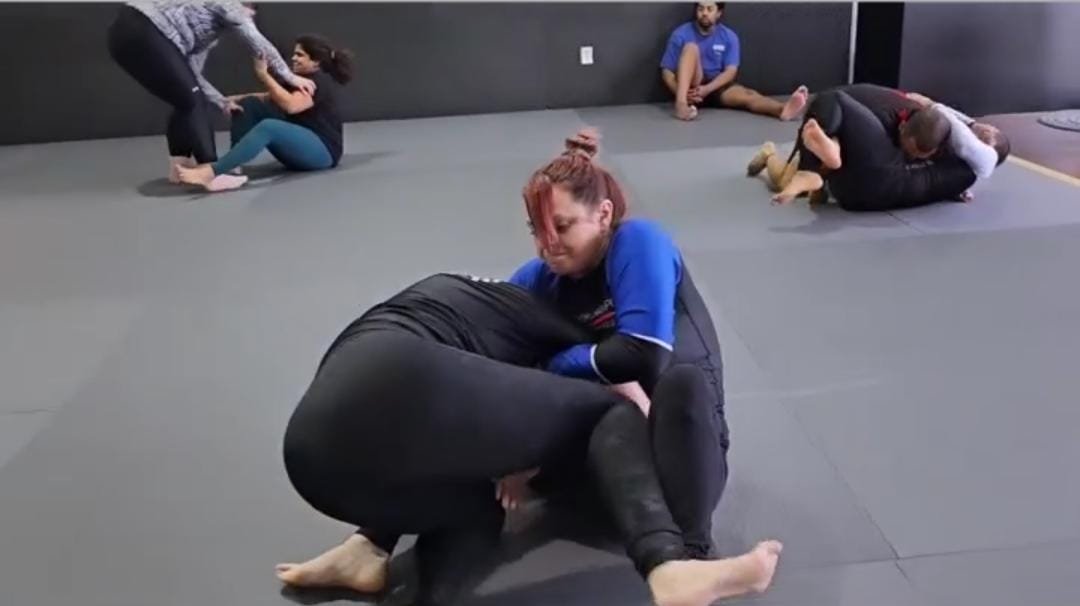
The popularity of No-Gi Jiu-Jitsu is booming across the United States. Dallas boasts a competitive and thriving No-Gi scene. Academies often offer dedicated No-Gi classes. They are structured for both beginners and advanced practitioners. These classes provide a focused environment. Students can explore the nuances of this fast-paced discipline.
Academy Of Champions Dallas
No-Gi Jiu-Jitsu represents the ultimate test of pure grappling skill. It is a necessary component of a complete BJJ education. It emphasizes speed, precision, and body control. It provides immense physical benefits. It also offers invaluable self-defense preparation.
If you are ready to experience the speed and strategy of No-Gi Jiu-Jitsu in Dallas, the Academy of Champions Dallas invites you to train with us. We offer specialized No-Gi programs. Our expert instructors will teach you the nuances of clinches, underhooks, and submissions. Come sharpen your reflexes and test your limits on the mats. Visit our academy today to begin your journey.