Overcoming the Fear of Falling in Jiu-Jitsu: A Comprehensive Guide for Dallas Practitioners
Stepping onto the mats for the first time often brings a mix of excitement and apprehension. For many beginners in Dallas, the most significant hurdle is not the submissions or the complex guards. It is the fear of falling. This instinctual fear is entirely natural. Human beings are biologically programmed to protect themselves from impact. However, in Brazilian Jiu-Jitsu (BJJ), the ability to fall safely is a foundational skill. Mastering the art of falling, known as Ukemi, transforms a potential hazard into a controlled transition. By addressing this fear through technical mastery and mental conditioning, you unlock a new level of freedom in your grappling. This guide provides a blueprint for conquering your anxiety and becoming a more resilient martial artist.
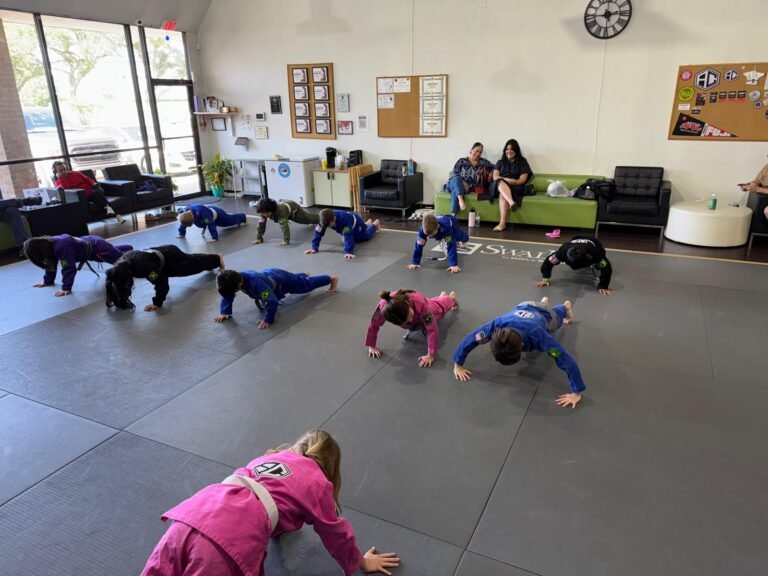
brazilian jiu jitsu classes in dallas
Understanding the Root of the Fear
Before you can overcome the fear of falling, you must understand why it exists. Your brain views a takedown as an uncontrolled descent that threatens your head and spine. This triggers a “freeze” response or a frantic attempt to reach out with your arms. These instinctive reactions are actually what lead to injuries like wrist sprains or shoulder dislocations.
The Danger of Instinctive Reactions
Beginners often try to “post” their hands during a fall. Extending your arm to stop your descent puts immense pressure on small joints. This is a primary cause of broken wrists in the Dallas BJJ community. Another common mistake is tensing the neck and letting the back of the head whip against the mat. Understanding that your instincts might be working against you is the first step toward change. You must replace these survival instincts with trained, technical responses.
Acknowledging the Learning Curve
Every high-level black belt once felt the same hesitation you feel today. No one is born knowing how to take a “hip throw” or a “double leg” takedown safely. Give yourself permission to be a student. Recognizing that falling is a skill that requires repetition—just like a triangle choke—removes the pressure of being perfect immediately. Patience with yourself is a vital part of the process.
Mastering the Art of Ukemi (Breakfalls)
The technical term for falling safely is Ukemi. In Dallas academies, breakfall drills are a staple of the warm-up for a reason. They teach your body how to distribute the force of an impact across a large surface area, protecting your vital organs and joints.
Back Breakfalls (Ushiro Ukemi)
This is the most fundamental fall. It occurs when you are pushed backward or taken down with a trip.
The Technique: Squat low to the ground to decrease the distance of the fall. Tuck your chin firmly to your chest to ensure your head never touches the mat. As you fall, roll onto your rounded back and slap the mat with both palms at a 45-degree angle.
Why it Works: The slap absorbs the kinetic energy, while the rounded back prevents a jarring impact on the spine. Keeping the chin tucked is the single most important rule to prevent concussions.
Side Breakfalls (Yoko Ukemi)
Side falls occur during throws like the “O Goshi” (hip throw) or the “Seoi Nage.”
The Technique: As you are directed to the side, tuck your chin and curve your body. One leg should be bent, while the other remains relatively straight. Slap the mat with the arm on the side you are falling toward.
Visualizing the Impact: The goal is to land on the meaty parts of your thigh and shoulder blade, avoiding direct impact on the hip bone or the point of the shoulder.
Forward Rolls (Zenpo Kaiten)
Learning to roll forward allows you to dissipate momentum if you are pushed from behind or thrown forward.
The Technique: Form a circle with your arms. Tuck your head and roll over one shoulder, following a diagonal path to the opposite hip. You should end up in a seated position or back on your feet.
The Safety Benefit: Rolling prevents your face or chest from hitting the mat directly. It turns a vertical drop into a horizontal roll, which is far safer for the body.
The Progressive Training Blueprint
You should never start by taking full-power takedowns from a standing position. Overcoming fear requires gradual exposure. By slowly increasing the height and intensity of the falls, you desensitize your nervous system.
Phase 1: Falling from a Seated Position
Begin your drills while sitting on the mat. Simply roll back, tuck your chin, and slap the mat. This eliminates the height factor entirely. It allows you to focus exclusively on the mechanics of the arm slap and the chin tuck. Practice this until the movements feel automatic and rhythmic.
Phase 2: Falling from a Squat
Once you are comfortable on the ground, move to a crouched position. Squatting low to the mats in your Dallas academy reduces the impact while introducing a small amount of gravity. This phase teaches you how to transition from a vertical stance to a rounded roll. Focus on staying “soft” and relaxed as you descend.
Phase 3: The Kneeling Partner Drill
Work with a partner who is also on their knees. Have them gently push you over or perform a slow-motion trip. This introduces the element of another person’s weight without the speed of a standing encounter. Communication is essential here. Tell your partner to start slowly and only increase the force once you feel secure.
Phase 4: Standing with Controlled Descent
In this phase, you stand up but your partner “escorts” you to the ground. They should maintain a grip on your sleeve or collar, supporting part of your weight as you fall. This prevents a “free fall” sensation. It builds the bridge between solo drills and live grappling.
Building Trust with Your Training Partners
Jiu-Jitsu is a collaborative art. You are trusting your partner with your physical safety. This trust is the most effective antidote to the fear of falling.
Choosing the Right Partners
When you are working on overcoming this fear, seek out the higher belts in your Dallas gym. Purple, brown, and black belts have the technical control to take you down gently. They understand how to “place” you on the mat rather than “slamming” you. Avoid rolling with other overly aggressive beginners who may lack the control to keep you safe during a takedown exchange.
Communication on the Mat
Never be afraid to speak up. If you are feeling anxious about standing work, tell your partner. You might say, “I’m working on my fear of falls, can we start our rolls from the knees today?” or “Can we drill some low-intensity takedowns first?” A good training partner will always respect your boundaries and help you progress at a pace that feels safe.
Mental Strategies for Conquering Anxiety
Fear often lives in the imagination. By using mental conditioning, you can rewire how your brain perceives the act of falling.
Visualization Techniques
Before you head to your academy in Dallas, spend five minutes visualizing yourself performing perfect breakfalls. See yourself tucked, rounded, and slapping the mat with confidence. Imagine the sensation of the mat absorbing your weight. Visualization builds neural pathways that make the actual physical act feel familiar and less threatening.
Controlling the Breath
Panic is physically manifested through short, shallow breaths. When you stand up to wrestle, focus on long, deep exhales. This signals to your parasympathetic nervous system that you are safe. A calm body leads to a calm mind. If you find yourself tensing up, take a deep breath and consciously relax your shoulders.
Reforming the Narrative
Instead of telling yourself, “I am going to fall,” try telling yourself, “I am transitioning to the ground.” In BJJ, being taken down is not the end of the fight; it is simply the beginning of the ground game. Many world champions prefer to play from the bottom. By viewing the fall as a strategic transition rather than a defeat, you strip the event of its negative emotional power.
The Importance of Quality Instruction in Dallas
Your environment plays a massive role in how you handle fear. A reputable academy will prioritize safety over ego.
Structured Curriculum
Look for an academy that has a dedicated “fundamentals” program. These classes should spend significant time on Ukemi before introducing live sparring. A structured approach ensures you aren’t thrown into the deep end before you know how to swim. The Academy of Champions Dallas takes pride in a curriculum that builds confidence through step-by-step instruction.
The Role of the Coach
A great coach will recognize when a student is struggling with fear. They will provide alternative drills and encouragement. They create an atmosphere where “tapping” to a position or asking for a slower pace is seen as a sign of intelligence, not weakness. This culture of safety is what allows practitioners to train for decades without major injury.
Transforming Fear into Freedom
Overcoming the fear of falling is one of the most rewarding milestones in your Jiu-Jitsu journey. Once you trust your ability to land safely, your entire game opens up. You will feel more comfortable attempting your own takedowns. You will move more fluidly during scrambles. You will finally be able to enjoy the “human chess” of BJJ without the looming shadow of anxiety.
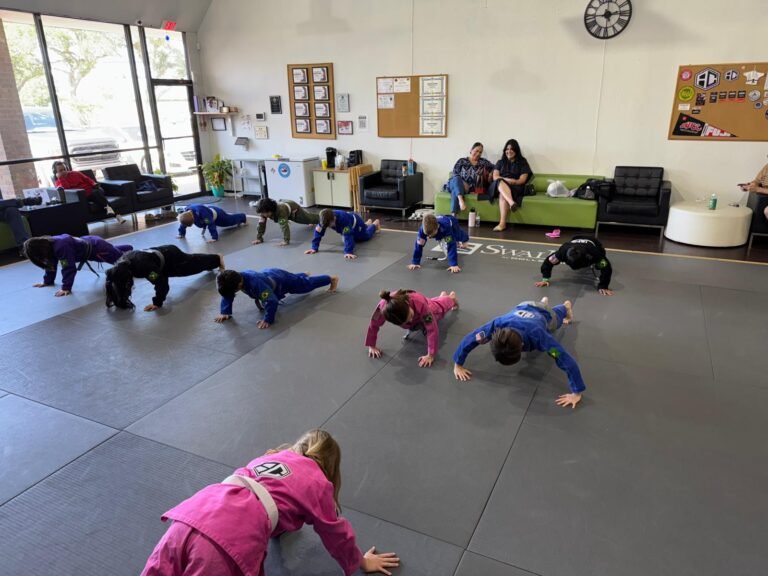
brazilian jiu jitsu classes in dallas
The mats in Dallas are a place for growth and empowerment. Every fall you take and every breakfall you master brings you one step closer to becoming a complete martial artist. Embrace the process, trust your partners, and keep your chin tucked.
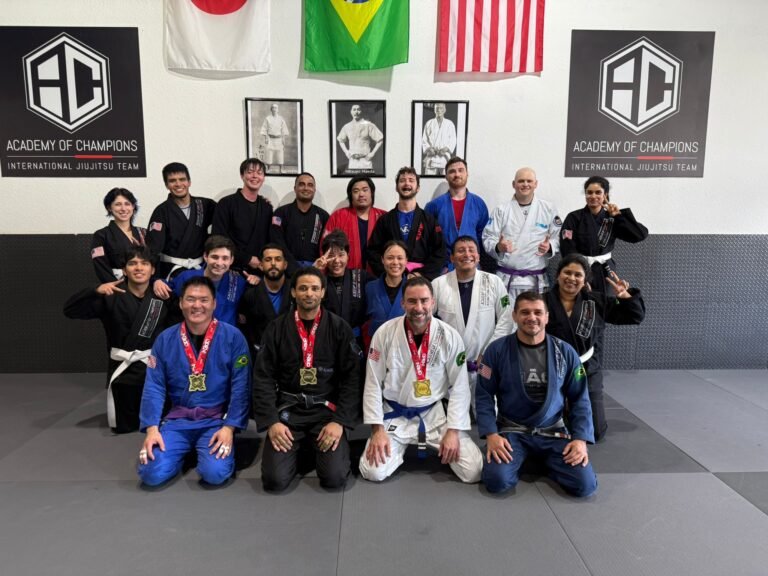
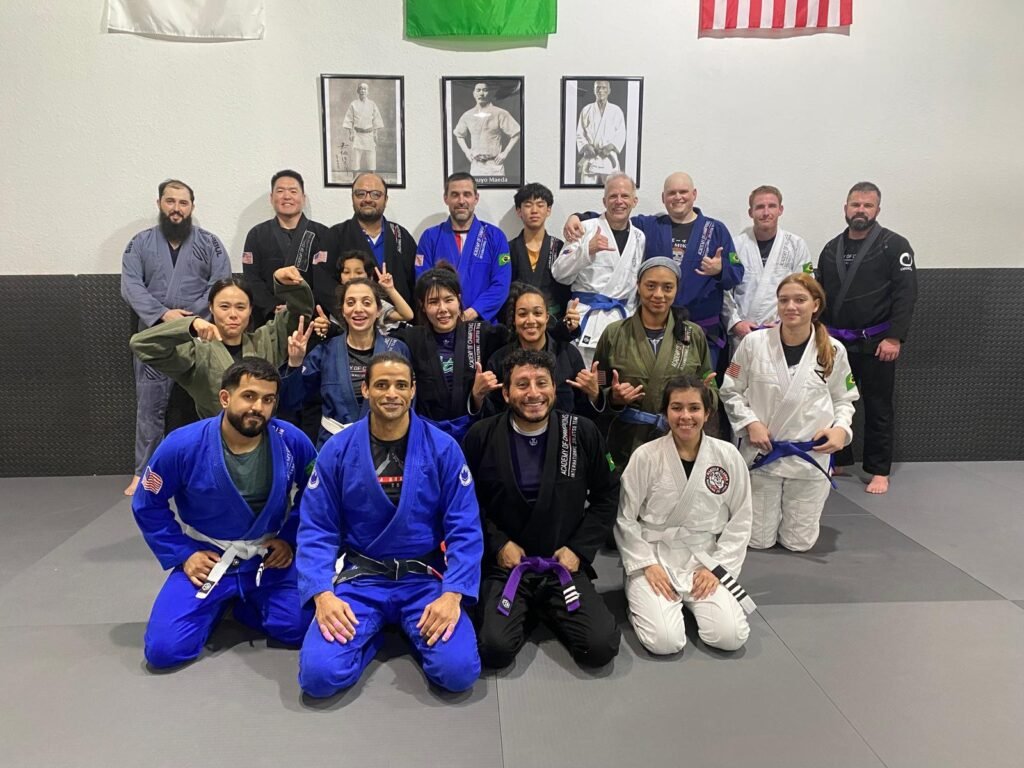
If you are ready to build a solid foundation and conquer your fears in a supportive environment, the Academy of Champions Dallas is here for you. Our expert instructors specialize in guiding students through the fundamentals of safety and technique. Visit our academy today to start your journey with confidence.