
Jiu-Jitsu Mat Rules and Etiquette: Training Safely in Dallas
Brazilian Jiu-Jitsu offers a transformative journey. It builds physical strength, mental resilience, and practical self-defense skills. However, like any martial art, Jiu-Jitsu thrives on discipline, respect, and a clear understanding of its rules. These guidelines extend beyond competition. They shape daily training at any reputable academy in Dallas. Adhering to mat rules and proper etiquette ensures a safe, productive, and respectful environment for every practitioner. Understanding these principles safeguards all participants. It also fosters a strong community spirit.
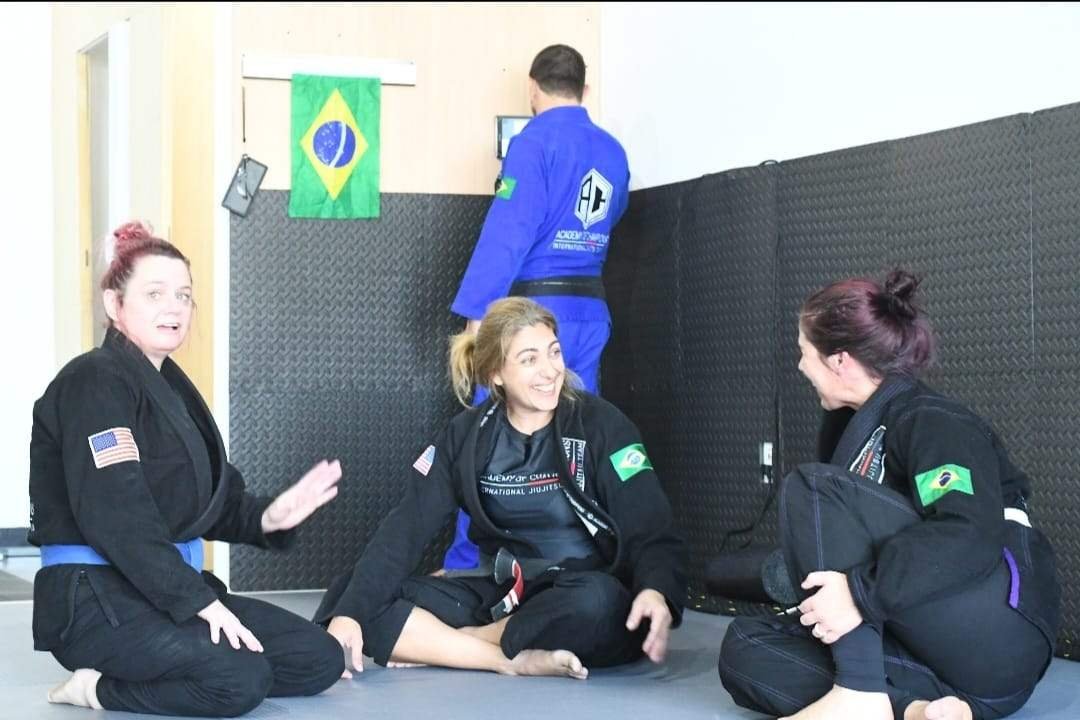
academy of champions dallas
The Foundation: Safety First on Dallas Jiu-Jitsu Mats
Safety stands as the paramount concern in any Jiu-Jitsu academy. The dynamic nature of grappling makes awareness and caution essential. Observing fundamental safety rules protects individuals from injury. It also allows for consistent, long-term training. Every practitioner in Dallas has a role in maintaining a safe training space.
Understanding the Tap: Your Ultimate Safety Tool
The tap is Jiu-Jitsu‘s most critical safety mechanism. It signifies submission. It tells your partner to immediately release the hold. Everyone must respect the tap. This rule prevents injuries to joints, ligaments, and airways.
Verbal Tap: Say “Tap!” loudly when you are caught in a submission.
Physical Tap: Tap your partner’s body or the mat repeatedly.
Immediate Release: As soon as you feel or hear a tap, release the submission immediately. Hesitation can cause serious injury.
Developing an understanding of when to tap protects you. It also shows respect for your training partner. Never try to “tough out” a submission. This only leads to unnecessary injuries. Practitioners in Dallas learn to tap early and often. This practice accelerates learning without injury.
Awareness and Control During Rolls
Rolling, or sparring, forms the core of Jiu-Jitsu training. During these sessions, situational awareness is vital. Controlling your movements keeps everyone safe.
Space Awareness: Always be aware of your surroundings and other training pairs. Avoid rolling too close to walls or other people. This prevents collisions.
Controlled Movements: Apply techniques with control. Avoid slamming opponents or using excessive force. Jiu-Jitsu emphasizes technique and leverage, not brute strength. This prevents accidental injuries.
Head Protection: Be cautious when moving your head. Avoid putting pressure on your neck or your partner’s neck. This prevents spinal injuries.
Foot and Hand Placement: Ensure your feet and hands do not accidentally strike or obstruct others. Always roll mindfully.
Maintaining control and awareness during rolls is a sign of an experienced and respectful practitioner. This collective responsibility enhances the training environment for everyone in Dallas.
Hygiene and Gear: Essential for Health
Proper hygiene is non-negotiable in a martial arts setting. It prevents the spread of skin infections and promotes a healthy environment.
Clean Gis and Rash Guards: Always wear a clean gi (uniform) or rash guard. Wash your training gear after every session. This prevents bacteria growth.
Personal Cleanliness: Shower before training if possible. Always have short, clean fingernails and toenails. This prevents scratches and infections.
No Shoes on Mats: Shoes, worn outside, carry dirt and germs. Never wear shoes on the training mats. This keeps the mats sanitary.
Cover Open Wounds: Any cuts or open wounds must be properly covered and disinfected. This prevents infections.
A clean academy is a safe academy. Every practitioner in Dallas contributes to this crucial aspect of training.
Mat Etiquette: Fostering Respect and Discipline
Beyond safety, mat etiquette shapes the culture of a Jiu-Jitsu academy. These unwritten rules promote respect, discipline, and a positive learning atmosphere. Adhering to them shows respect for your instructors, training partners, and the art itself.
Respect for Instructors and Peers
The hierarchical structure of martial arts emphasizes respect for those with more experience. This includes instructors and higher belts.
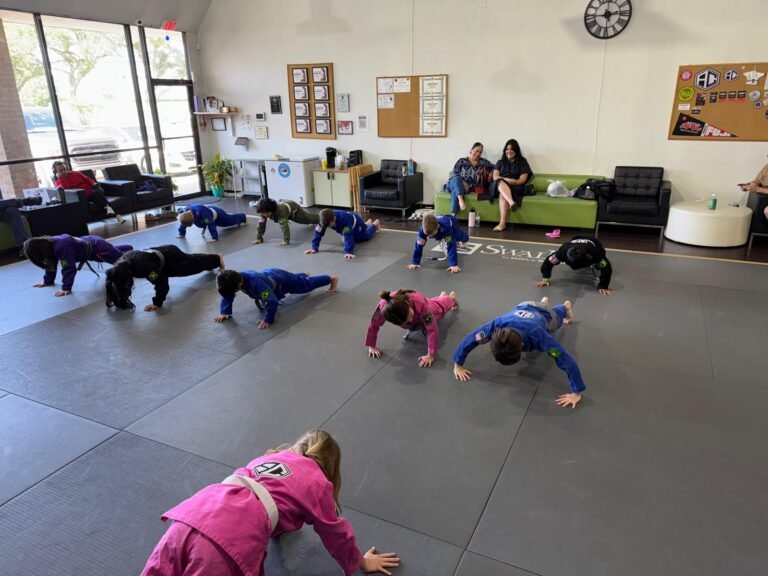
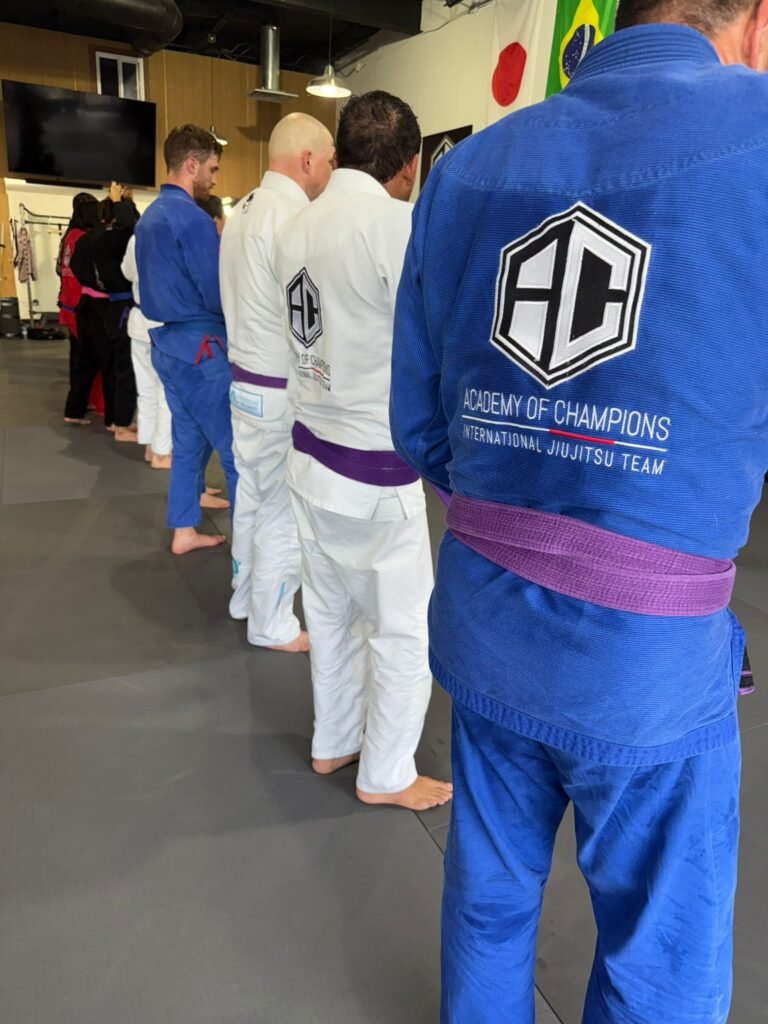
Bow On and Off the Mats: It is customary to bow when stepping onto and off the training area. This shows respect for the mats and the training space.
Address Instructors Properly: Use appropriate titles for your instructors (e.g., Professor, Coach). Pay close attention during instruction.
Ask Permission: Always ask an instructor’s permission before leaving the mats during class. This shows respect for the class structure.
Do Not Interrupt: Avoid interrupting the instructor or higher belts while they are teaching or demonstrating a technique. Wait for an appropriate moment to ask questions.
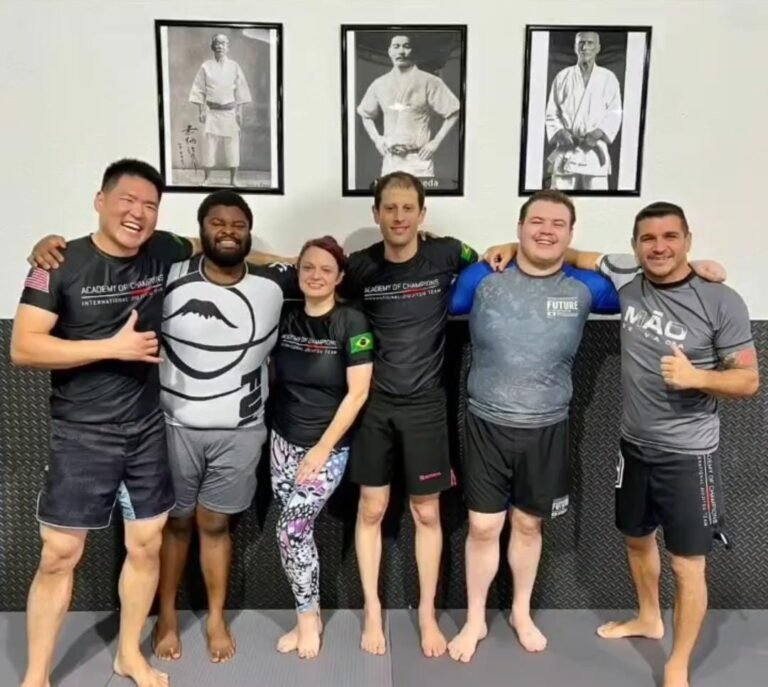
Respect extends to all practitioners. Treat everyone on the mats as a valuable training partner, regardless of their belt level or experience. This builds a strong, cohesive community in Dallas.
Punctuality and Preparedness
Arriving on time and being ready for class demonstrates commitment and respect for others’ time.
Arrive Early: Aim to arrive at the academy a few minutes before class starts. This gives you time to change and warm up.
Be Ready: Have your gi tied and be on the mats when class begins. This shows you are prepared to learn.
Stay for the Entire Class: Avoid leaving early unless absolutely necessary. If you must leave, inform your instructor beforehand.
Punctuality and preparedness set a positive tone for the entire training session. They ensure maximum benefit for everyone attending classes in Dallas.
Personal Conduct and Learning Attitude
Your attitude on the mats greatly influences your learning experience and the atmosphere of the academy.
Be Humble: Everyone starts as a white belt. Be open to learning and correction from everyone, regardless of belt rank. A humble attitude fosters faster growth.
Control Your Emotions: Jiu-Jitsu can be frustrating. Learn to manage your emotions during rolls. Avoid aggression or uncontrolled outbursts. This maintains a positive training environment.
Help Your Partners: Offer help and guidance to less experienced partners. Sharpening their skills benefits the entire academy. This fosters a collaborative spirit.
No Coaching from the Sidelines: Only instructors should provide instruction during class. Avoid coaching other students unless explicitly asked to help. This prevents confusion.
Cultivating a positive and disciplined mindset is as important as mastering techniques. It truly defines a martial artist.
Specific Rules for Training in Dallas Academies
While general rules apply universally, specific academies in Dallas may have their own additional guidelines. Always familiarize yourself with these local rules. This ensures a smooth and respectful training experience.
Gi and Belt Requirements
Most Jiu-Jitsu academies have specific rules regarding uniforms.
Clean Gi Always: As mentioned, a clean gi is mandatory.
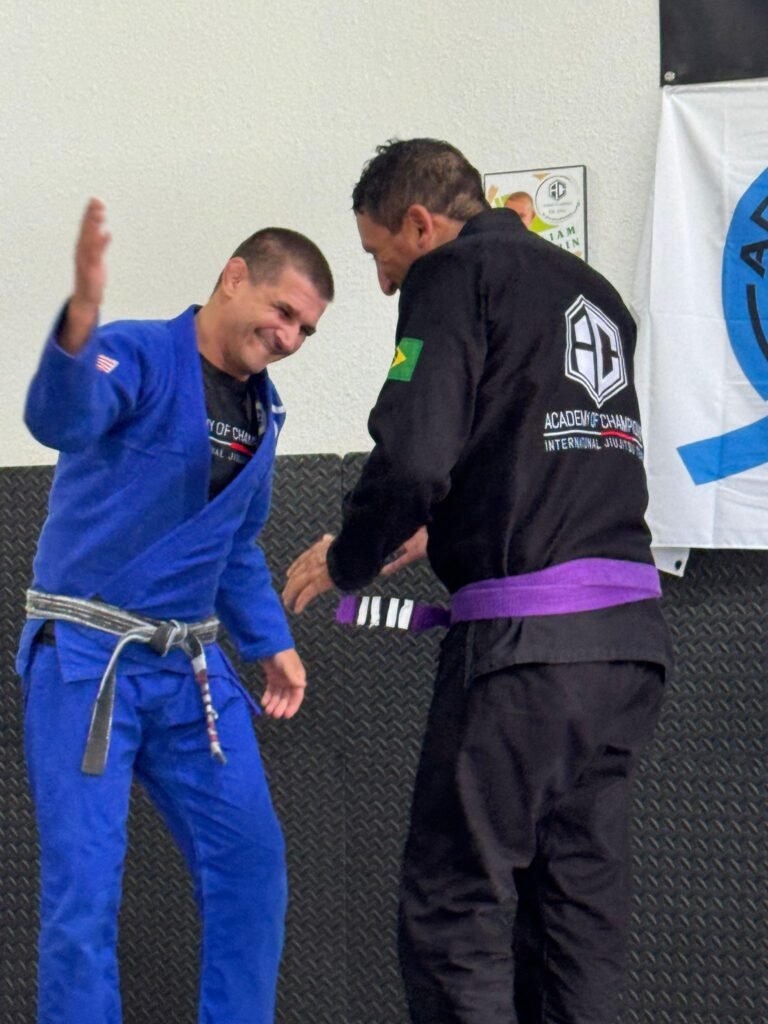
Belt Protocol: Always wear your belt, tied correctly. It represents your journey and rank. Do not leave your belt on the ground.
No-Gi Attire: For No-Gi classes, wear a rash guard and shorts or spats. Avoid loose clothing that can get tangled.
Adhering to uniform standards shows respect for the tradition of Jiu-Jitsu.
Visitors and Drop-ins
Many Jiu-Jitsu academies in Dallas welcome visitors and drop-in students. Specific protocols often apply.
Inform the Academy: Always inform the academy beforehand if you plan to visit or drop in. This helps them manage class sizes.
Follow Rules: Respect the rules and etiquette of the host academy. Even if you are a high-ranking belt, you are a guest.
Visitor Fees: Be prepared to pay a drop-in fee if applicable.
Visiting other academies is a great way to expand your knowledge. Always do so with courtesy.
Injury Reporting
Despite best efforts, injuries can occur. Proper reporting ensures everyone’s safety and well-being.
Report All Injuries: Immediately report any injury, no matter how minor, to your instructor. This helps them assess the situation.
Seek Medical Attention: Follow your instructor’s advice regarding medical attention. Prioritize your health.
Rest and Recover: Do not rush back to training before fully recovering from an injury. This prevents re-injury.
The health of every practitioner is important. Open communication about injuries is crucial in Dallas Jiu-Jitsu academies.
Embracing the Dallas Jiu-Jitsu Lifestyle
Understanding and adhering to Jiu-Jitsu mat rules and etiquette are fundamental to a successful training experience. These guidelines create a safe, respectful, and conducive environment for learning and growth. They allow you to maximize your potential, not just as a martial artist, but as an individual.
In Dallas, the Jiu-Jitsu community thrives on these shared values. By following these rules, you contribute to a positive culture that empowers everyone. You become part of a tradition that emphasizes discipline, humility, and continuous improvement. Your commitment to these principles will not only enhance your skills on the mats but also enrich your life off them.
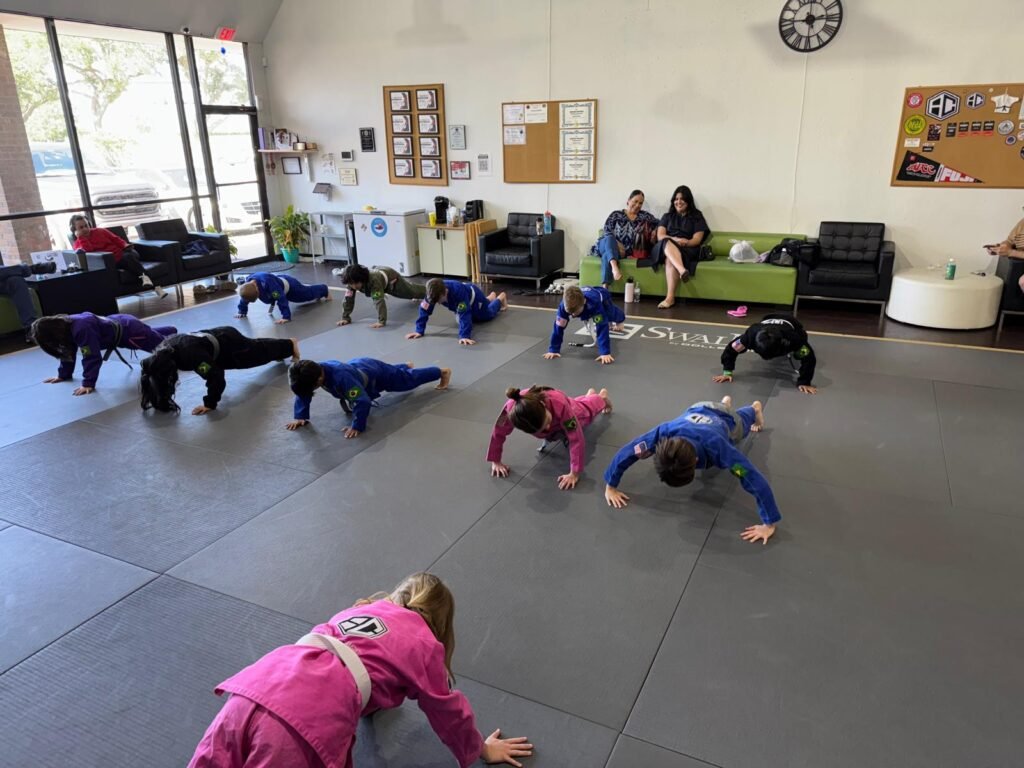
jiu jitsu in dallas
Are you ready to join a community where safety, respect, and growth are paramount? Visit academyofchampionsdallas.com today to learn more about our programs and discover how our commitment to Jiu-Jitsu excellence can benefit you. Take the first step toward becoming a more disciplined, respectful, and skilled practitioner in Dallas.