Common White Belt BJJ Mistakes and Technical Fixes in Dallas
Every practitioner begins the Brazilian Jiu-Jitsu journey as a white belt. This period represents the most challenging and transformative phase of martial arts training. New students often feel like they are drowning in information while physically struggling to survive. Making mistakes is an essential part of growth. However, repeating the same fundamental errors hinders progress and increases the risk of injury. For students training in Dallas, recognizing these technical and mental pitfalls early is the key to a smoother transition to blue belt. Mastering the basics requires identifying where you are wasting energy or exposing yourself to unnecessary danger. This guide examines the errors that almost every novice makes and provides concrete adjustments to sharpen your game.
brazilian jiu jitsu classes in dallas
Technical Energy Leaks and Physical Control
A major challenge for beginners is managing their internal gas tank. Wasted movement leads to rapid exhaustion, leaving you vulnerable to even basic attacks.
Over-Reliance on Grip Strength
Novices frequently grab their opponent’s lapels or sleeves with 100% intensity from the moment the roll begins. This constant tension leads to “gorilla forearms,” where the muscles become so pumped with blood that you lose all manual dexterity. Once your grip fails, your entire defensive structure collapses.
Implementing Efficient Grips
Focus on using “hook” grips or “C-grips” rather than a full-fist squeeze. Save your maximum gripping power for the moment you actually initiate a sweep or a submission. Learning to relax your hands during neutral positions conserves incredible amounts of energy. This efficiency allows you to roll for longer periods at our Dallas academy without burning out in the first two minutes.
The “Spazzy” Movement Pattern
The term “spaz” describes a beginner who moves with high intensity but zero purpose. These practitioners often explode in random directions, leading to accidental headbutts, knee strikes, or self-inflicted injuries. Aggression without technique is simply a fast way to get submitted by a calm opponent.
Developing Mindful Scrambling
Try to pause for a split second before you explode. Ask yourself if the movement you are about to make has a technical goal, such as creating a frame or escaping a hip. Controlled, deliberate movement beats frantic activity every time. Aim to move at 60% of your maximum speed while focusing on perfect body alignment. You will find that your techniques actually start to work when you stop forcing them with raw panic.
Defensive Structural Flaws
Defense is the first priority of a white belt. Unfortunately, many beginners instinctively do the exact opposite of what is required to stay safe on the ground.
Reaching and Extending the Arms
When a beginner is pinned in side control or mount, their first instinct is often to push the opponent’s chest away with straight arms. This extension creates a perfect opportunity for the top player to secure an armbar or a Kimura. Any time your elbows leave your ribs, you are providing a handle for your opponent to control you.
Maintaining a Tight Frame
Keep your elbows glued to your sides as much as possible. Use your forearms as “frames” rather than “pushes.” A frame relies on your bone structure to create space, which requires far less muscular effort than pushing. Imagine there is a box around your torso that your hands should never leave. Staying compact makes you a much harder target to submit during sparring sessions in Dallas.
Lying Flat on the Back
Being flat on your back is the weakest position in grappling. It pins your shoulders to the mat, making it impossible to move your hips or generate power. Beginners often stay flat while trying to play guard, which allows the opponent to pass easily with heavy pressure.
Winning the Angle Battle
You must always be on one of your sides. Constant “shrimping” or hip-escaping is necessary to stay dynamic. Being on your side allows you to use your legs as shields and makes your hips heavy and difficult to move. Think of yourself as a ball rather than a board. The more you move from side to side, the more frustrated your opponent will become as they try to pin you down.
The Strategic and Mental Game
The way you think about Jiu-Jitsu determines how fast you learn. Mental errors are often more detrimental than physical ones.
Chasing the Submission Before the Position
White belts often try to lock in a headlock or a guillotine while they are still in a bad position, such as being underneath a mount. This “hero move” almost always leads to losing even more control. You cannot finish a fight if you have not first neutralized the threat and secured a dominant spot.
Prioritizing the Hierarchy of Control
Adhere strictly to the rule of “Position Before Submission.” Your order of operations should always be: Escape, Stabilize, Advance, and then—and only then—Submit. If you are in side control, your goal is to get to mount or the back. Do not worry about the choke until you have achieved total control over your opponent’s posture. This disciplined approach is what separates a technical grappler from a brawler in the Dallas BJJ community.
Avoiding the “Heavy” Rollers
It is tempting to only roll with people your own size or skill level. However, only training with “easy” partners creates a false sense of security. You need the “smash” from higher belts to understand where your defensive holes truly lie.
Embracing the Challenge of Upper Belts
Seek out the purple, brown, and black belts. While rolling with them might be a lopsided experience, they will provide the most honest feedback on your technique. They will not allow you to use “fake” moves that only work on other beginners. Every time an upper belt taps you, they are giving you a lesson on what to fix. Welcome the pressure as a tool for refinement.
Longevity and Consistency in Dallas
The ultimate mistake a white belt can make is quitting. The journey is long, and the plateaus are real.
Ignoring Minor Injuries
Stubbornness is the enemy of longevity. Beginners often try to “power through” a tweaked neck or a sore finger. This usually turns a one-week recovery into a three-month layoff. If you are not on the mats, you are not getting better.
Listening to Your Body
Know the difference between being “sore” and being “injured.” If a joint feels unstable or a pain is sharp, take a day off. Spend that time watching classes or studying tape. Consistency over years is what creates a black belt. Protecting your health ensures you can continue to enjoy the incredible BJJ community here in Dallas for decades to come.
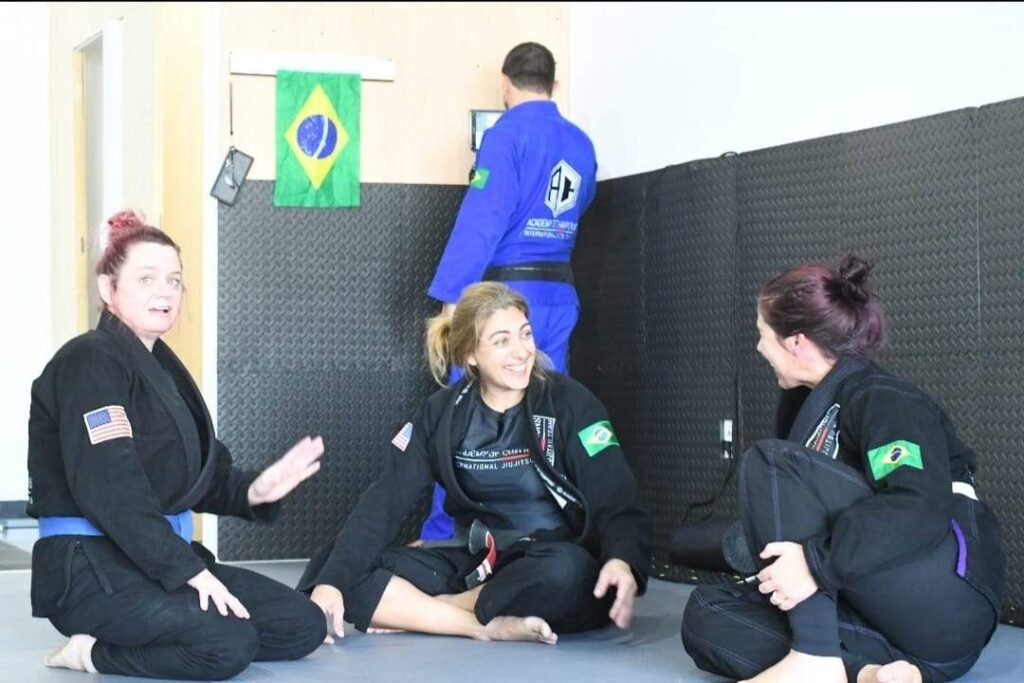
Start Correcting Your Game Today
Recognizing these common white belt mistakes is the first step toward technical mastery. By focusing on breathing, maintaining tight frames, and prioritizing position, you will see an immediate improvement in your rolls. Jiu-Jitsu is a game of millimeters; small adjustments lead to massive results.
brazilian jiu jitsu classes in dallas
If you are ready to iron out your mistakes and build a world-class foundation, the Academy of Champions Dallas is the place for you. Our instructors specialize in guiding white belts through the complexities of the art with patience and expertise.
Visit our academy today to take your training to the next level. Let us help you turn your mistakes into your greatest technical strengths.