
Top 10 Beginner Jiu-Jitsu Mistakes and How to Fix Them in Dallas
Starting your Brazilian Jiu-Jitsu (BJJ) journey is both exciting and overwhelming. The white belt phase introduces a steep learning curve. New practitioners face complex techniques, intense physical demands, and frequent submissions. Making mistakes is a necessary part of the learning process. However, some common errors can significantly slow your progress. They can even lead to injury or burnout. This guide outlines the ten most common beginner mistakes. It also provides practical solutions. These tips help you train smarter. They help you stay consistent. For students in Dallas, learning to avoid these pitfalls quickly accelerates your path to a blue belt. Focus on these points to build a solid foundation.
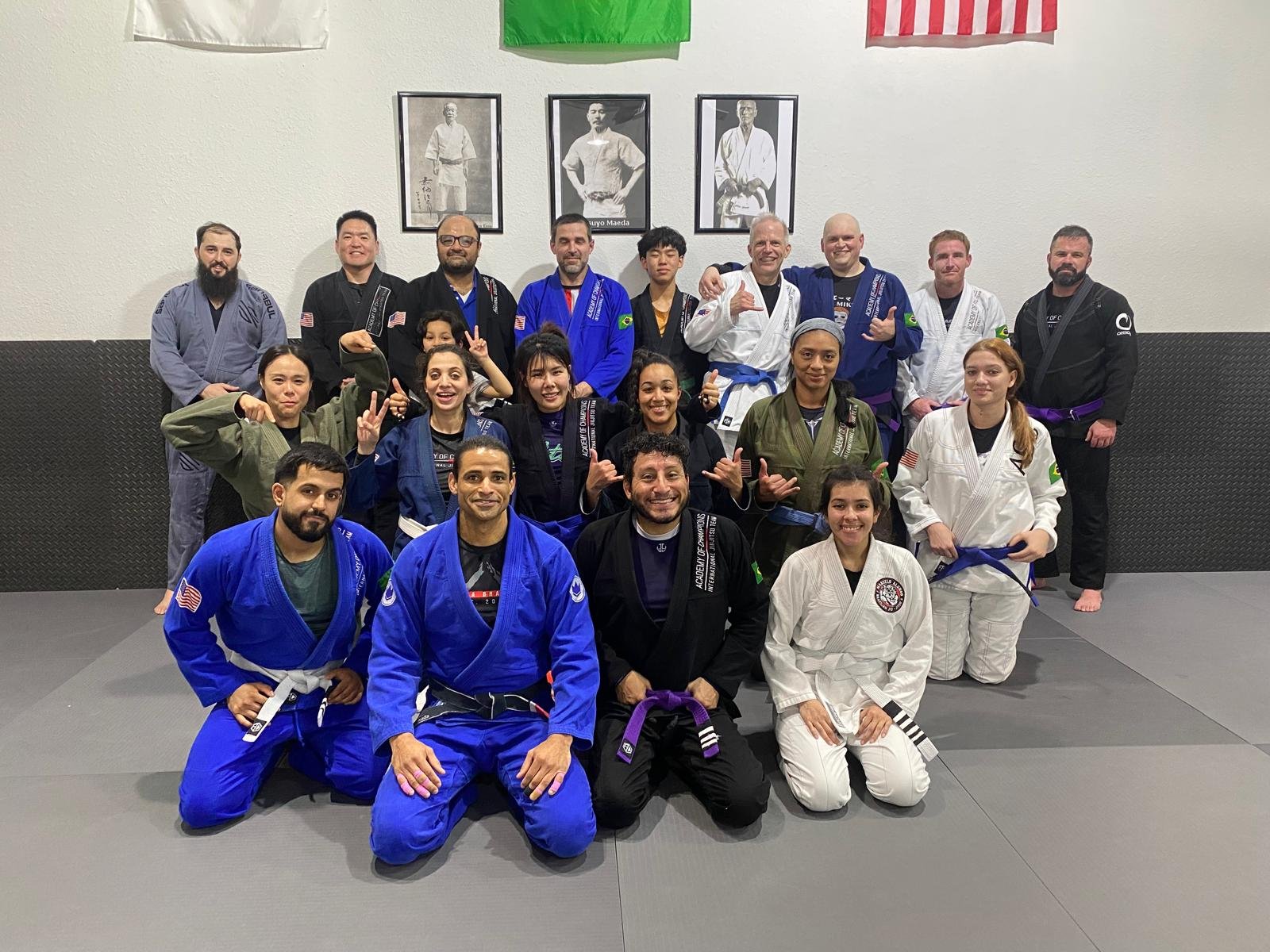
ACADEMY OF CHAMPIONS BJJ DALLAS
The White Belt Mindset: Ego and Learning
Jiu-Jitsu is often called “human chess” for a reason. It tests your mind and your body simultaneously. The mental approach you bring to the mat often dictates your success more than raw athleticism. Mastering your mindset is the first step toward mastery of the art.
Mistake 1: Not Tapping Early Enough
Many beginners view tapping out as failure. They believe holding out longer demonstrates toughness. This is a very dangerous and counterproductive mistake. When caught in a joint lock or a choke, waiting too long risks severe injury. A torn ligament or a knocked-out windpipe instantly derails your training. An injury guarantees weeks or months away from the mat. This immediately halts any progress.
How to Fix It
View the tap as a valuable communication tool. Tapping means you understand the threat. It means you recognize the technique. It means you live to train another day. Make it a habit to tap early and tap often. Your main goal is not winning the roll. Your goal is learning and staying healthy. Always prioritize longevity over momentary pride. Your teammates and instructors at the Academy of Champions Dallas respect intelligence far more than stubbornness.
Mistake 2: Rolling with a Competitive Ego
The desire to “win” every roll is natural but counterproductive. White belts often treat every sparring session like a world championship match. They rely on size and aggression. They forget to focus on the technique being taught that day. This mindset prevents experimentation. It prevents genuine learning. It locks practitioners into habits based on brute strength.
The Solution
Adopt a growth mindset. Every roll should be an opportunity to practice specific moves. You should try the technique you just learned in class. Set a technical goal before sparring begins. The goal might be holding the mount for ten seconds. Alternatively, it might be successfully attempting one sweep. It could be escaping side control once. Do not worry about the final score. Focus on achieving the small, technical objective. The technical victories lead to long-term success.
Mistake 3: Avoiding Higher-Ranked Partners
Beginners often seek out other white belts or smaller partners. They want to maximize their chances of “winning.” However, training with experienced partners is the fastest way to improve. A high-level practitioner exposes flaws in your game instantly. They force you to use correct technique. They punish incorrect posture or misplaced limbs.
Corrective Action
Seek out the black belts and upper belts in your Dallas academy. They are your best teachers. They will control you safely. They offer immediate, tangible feedback simply by how they effortlessly shut down your attacks. After the roll ends, ask for specific advice. You might ask what mistake you made that allowed them to pass your guard. Most upper belts love sharing their knowledge. They enjoy helping the next generation. Embrace the discomfort. Discomfort fuels growth in BJJ.
Common Physical and Energy Traps
Jiu-Jitsu demands a unique combination of strength, endurance, and coordination. Beginners often waste precious energy through inefficient physical habits. Correcting these energy leaks dramatically improves performance and stamina.
Mistake 4: Relying Solely on Strength (The “Spaz”)
This is arguably the most common white belt mistake. Lacking technical knowledge, new students try to compensate with muscle. They grip too tightly. They push and pull with maximum effort. They explode with aggression at the wrong moments. This behavior is often called being “spazzy.” Spazzing leads to rapid fatigue. It results in sloppy technique. It can even injure your training partners.
How to Correct This
Slow down your movements. Focus on efficiency. If a technique requires immense effort, you are probably doing it wrong. Jiu-Jitsu is about using leverage and angles. It is about using your entire body’s weight. Ask your instructor to check your mechanics. Your elbow should never be far from your body. Your movement should be controlled. Learn to use the weight of your core and hips. These are stronger than your arms and shoulders. Consciously try to use 50% less strength during your rolls. You will quickly find techniques that work.
Mistake 5: Holding Your Breath and Gassing Out
When under pressure, the natural reaction is panic. This causes a beginner to hold their breath. Holding your breath prevents oxygen from reaching your muscles and brain. This triggers stress. It depletes your energy reserves in seconds. Before you know it, you feel exhausted. You feel completely gassed out after just one minute of rolling. Your mind clouds over. You cannot think strategically.
Actionable Steps
Focus on controlled breathing. Make a conscious effort to inhale through your nose and exhale through your mouth. When someone puts heavy pressure on you in side control, breathe slowly. Exhale on every effort or push. Inhale during moments of low intensity. This controlled breathing keeps your panic levels low. It conserves energy. It allows you to think. A calm, breathing opponent is always harder to submit than a strong, panicked one.
Mistake 6: Overtraining and Burnout
Beginner enthusiasm often leads to overtraining. New students feel motivated. They want to train five or six days a week immediately. However, your body is not yet conditioned for this high level of strain. This intense start quickly leads to chronic soreness. It results in minor injuries. It causes mental burnout. Many aspiring students quit BJJ within the first year because they pushed too hard, too fast.
The Fix for Consistency
Be consistent, not excessive. Two or three classes per week is a perfect starting frequency. This allows your body sufficient time to recover. It allows your central nervous system to adapt. Use your days off wisely. Focus on mobility and stretching. Get proper sleep. A steady, sustainable commitment is better than one month of intensity followed by three months of sitting on the couch. Longevity wins over early intensity. Training consistently is the key to progress in Dallas.
Technical Mistakes in Execution
Technical flaws in the fundamentals slow down learning. They provide easy targets for opponents. Addressing these mistakes instantly improves your defense and control.
Mistake 7: Leaving Your Arms Extended
The biggest technical flaw is exposing your limbs. Many beginners extend their arms fully while trying to push an opponent away. They push while trying to pass the guard. They push while trying to escape the mount. An extended arm is an easy target for an armbar or a kimura. This is especially true when your elbow moves far away from your body.
The Defensive Solution
Keep your elbows tight to your body at all times. Use your forearms and frames to create distance. Do not rely on your hands to push. When inside someone’s closed guard, keep your hands on your partner’s chest or hips. Never place them on the mat. Never fully extend your arms away from your torso. This defensive habit minimizes submission opportunities. It is the first rule of survival in ground grappling.
Mistake 8: Ignoring Hip Movement (Shrimping)
Jiu-Jitsu is a martial art based on hip movement. The hip escape, often called “shrimping,” is the most fundamental movement. Beginners often struggle with escaping bad positions. This is because they try to push with their arms or shoulders. They do not realize the power of their hips. They struggle to create distance.
How to Master This
Drill shrimping every day. Practice shrimping before and after class. Shrimping creates space. It allows you to replace your guard. It allows you to recover position. Make sure your hip escapes are explosive. They must cover as much distance as possible. The hips are the engine of BJJ. You must learn to move your hips independently of your shoulders. You will find escapes become much easier. This is a primary skill taught at the Academy of Champions Dallas.
Mistake 9: Rushing the Guard Pass and Submissions
Beginners often jump straight from position to submission. They rush to pass the guard. They rush to finish a choke. They forget the steps in between. This hurried pace often leads to giving up position. A good grappler passes the guard, stabilizes the side control, and then looks to mount. They only attack the submission after achieving absolute control.
The Methodical Approach
Focus on position before submission. When passing the guard, prioritize heavy pressure and stability. Do not let your opponent move. Once you secure a dominant pin—like side control or mount—hold it. Hold it for at least three seconds. Only then should you transition to the next attack. This methodical approach is the hallmark of advanced Jiu-Jitsu. It ensures you maintain the advantage. It prevents your opponent from easily reversing the situation.
Mistake 10: Neglecting the Fundamentals
Every complex move—whether it is a spinning back take or a fancy lapel choke—is built on fundamental movements. Beginners often see advanced moves on social media. They try to replicate them immediately. They have not yet mastered the basics of posture and control. This lack of foundation results in inconsistent results and high frustration.
The Long-Term Fix
Recommit to the basics every week. Practice your breakfalls, your bridges, and your shrimping. Your basic sweeps, basic guard passes, and basic escapes are the bread and butter of your game. Master them until they are flawless. The techniques that win world championships are often fundamental moves performed perfectly. Always respect the fundamentals. They form the basis of all your success in Dallas.
Your Path to Mastery in Dallas Starts Today
The white belt journey is one of the most rewarding phases of Jiu-Jitsu. Everyone makes these common mistakes. The key is recognizing them and correcting them with consistency. Focusing on technique, patience, and controlled breathing transforms your game. It turns challenges into opportunities. Your resilience and mental clarity improve significantly.
brazilian jiu jitsu classes in dallas
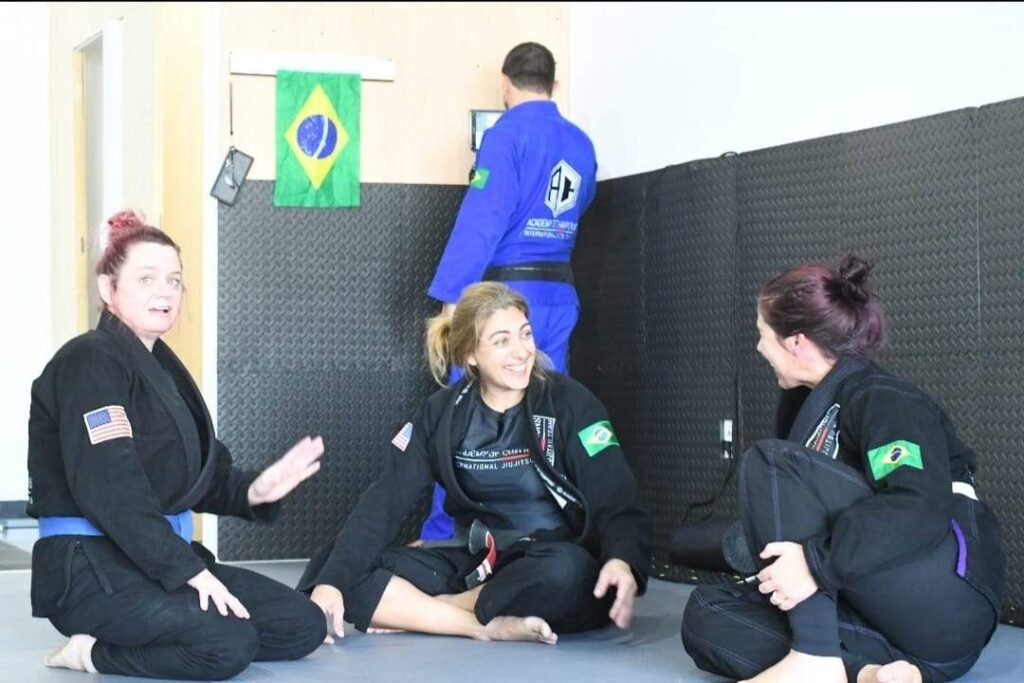
If you are ready to train smarter and accelerate your growth in Dallas, there is no better place to start than the Academy of Champions Dallas. Our structured classes guide you past these common pitfalls. Our experienced coaches provide the necessary feedback for fast, safe improvement. Visit our academy today to take the next step.